5 Common CCTV Installation Mistakes to Avoid
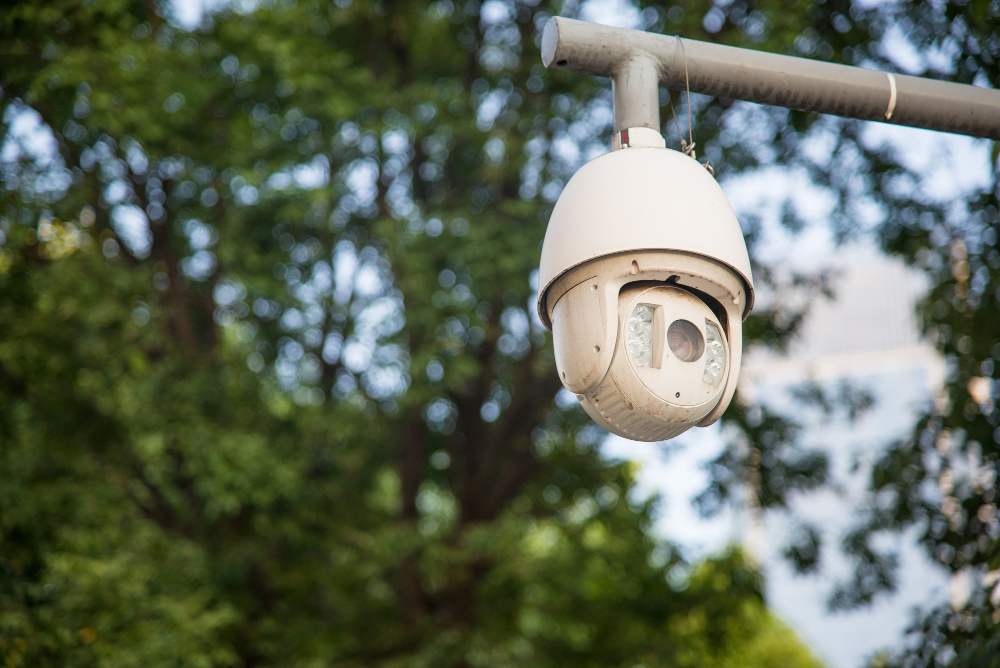
Installing a CCTV system might seem straightforward, but small oversights can lead to blind spots, poor image quality, or even system failure. At ShieldEye Security, we've corrected countless DIY and even professional jobs. Here are the five most frequent mistakes we encounter — and how to avoid them.
1. Poor Camera Placement
One of the most common errors is mounting cameras too high or too low. Cameras placed too high capture the tops of heads rather than faces; too low and they're vulnerable to tampering. The ideal height is 2.5–3 meters, angled slightly downward. Also, avoid pointing cameras directly at bright light sources (like the sun or floodlights) — it causes glare and washes out the image.
“A well-placed camera doesn't just record; it deters. Visibility matters.” — Vikram Singh, Lead Technician
2. Ignoring Bandwidth & Storage Limits
4K cameras generate massive amounts of data. Without sufficient network bandwidth and adequate storage (either local or cloud), you'll experience lag, dropped frames, or overwritten footage. Always calculate your needs: a single 4K camera recording 24/7 can use over 100GB per day. We recommend motion-triggered recording to save space.
Quick calculation tip:
Use the formula: (bitrate in Mbps × 3600 seconds) / 8 = MB per hour. For example, a camera streaming at 8 Mbps uses about 3.6 GB per hour. Plan your hard drive or cloud subscription accordingly.
3. Overlooking Night Vision Requirements
Many buyers assume all night vision is equal. Infrared (IR) cameras have a limited range (usually 30–50 meters). For larger areas, you might need starlight sensors or additional IR illuminators. Also, reflective surfaces (like white walls) can bounce IR and overexpose the image. Test night footage before finalizing placement.
4. Weak or Unsecured Network
IP cameras are vulnerable to hacking if not properly secured. Default passwords, unpatched firmware, and open ports are invitations for cyberattacks. Always change default credentials, enable encryption (WPA2/3), and keep cameras on a separate VLAN from your main network. For sensitive sites, consider our encrypted end-to-end solutions.
5. Skipping the Site Survey
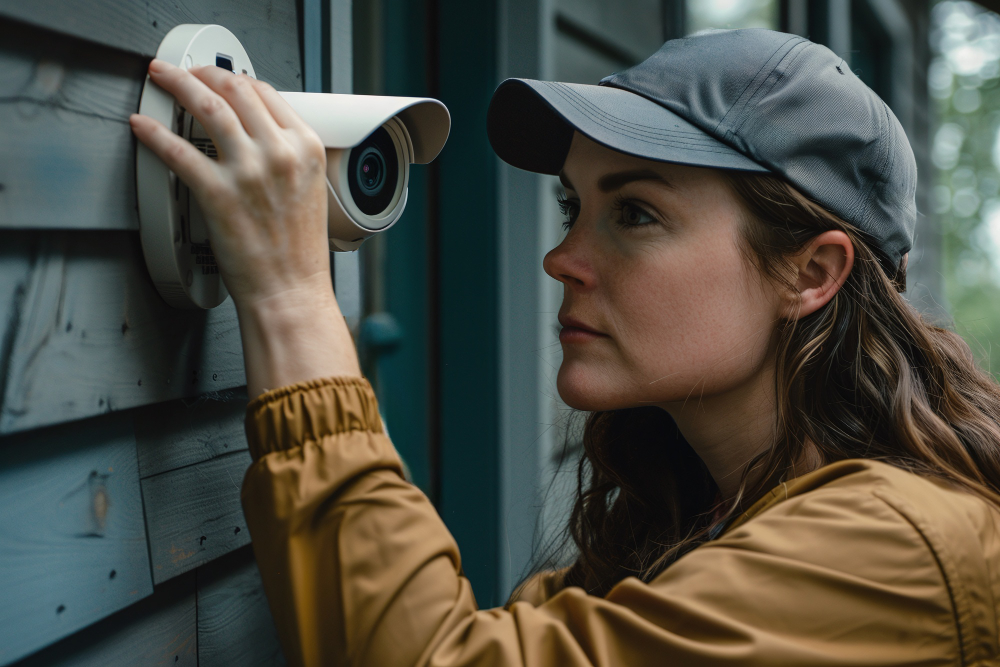
Every property is unique. Without a professional site survey, you might miss critical blind spots — corners behind pillars, areas with Wi-Fi interference, or zones where cables can't easily run. Our technicians use 3D modelling tools to map coverage before drilling a single hole. It saves time and money in the long run.
Avoiding these pitfalls ensures your security system delivers exactly what you expect: peace of mind. Whether you're planning a DIY setup or want a turnkey solution, our team is happy to advise.


Comments (2)
Great article! I wish I had read this before my first DIY attempt. I mounted my cameras too high and got nothing but hair. ShieldEye came and fixed it perfectly.
The point about bandwidth is so important. We upgraded to 4K and suddenly our network slowed down. Your team helped us optimize settings and now it's flawless.
Leave a Comment